Precious Metals Assets: Investing in Gold, Silver, Platinum, and More
Introduction
Precious metals have served as a store of value and medium of exchange for thousands of years. Today, they remain a cornerstone of diversified investment portfolios, offering unique characteristics that distinguish them from stocks, bonds, and other traditional assets.
From gold’s role as an inflation hedge to platinum’s industrial applications, precious metals provide investors with tangible assets that can protect wealth, diversify portfolios, and potentially generate returns during economic uncertainty.
This comprehensive guide breaks down the major precious metals available for investment, exploring their characteristics, use cases, investment methods, and considerations for holding them in retirement accounts.
What Are Precious Metals?
Precious metals are rare, naturally occurring metallic elements with high economic value. Their rarity, durability, and various industrial and ornamental applications make them valuable for both investment and practical purposes.
Key Characteristics of Precious Metals:
- Intrinsic value: Value independent of government backing or promises
- Limited supply: Cannot be printed or manufactured at will
- Physical durability: Don’t degrade or corrode over time
- Global recognition: Universally recognized as valuable
- Portfolio diversification: Low correlation with stocks and bonds
- Inflation hedge: Historically maintain purchasing power during inflation
The Four Major Investment-Grade Precious Metals
1. Gold: The Ultimate Store of Value
What It Is: Gold has been the world’s preeminent precious metal for over 5,000 years. Its unique combination of beauty, scarcity, and chemical stability has made it the standard for wealth preservation across civilizations.
Key Characteristics:
- Most liquid precious metal market
- Primary use: Investment and jewelry (90%+ of demand)
- Limited industrial applications
- Strong inverse correlation with the U.S. dollar
- Central banks hold gold as reserve asset
Investment Characteristics:
- Market cap: Largest precious metals market by far
- Volatility: Moderate compared to other precious metals
- Liquidity: Extremely high – easily bought and sold globally
- Storage: Requires secure storage; does not tarnish
Why Investors Buy Gold:
Inflation Protection: Gold has historically maintained purchasing power over long periods. When paper currencies lose value through inflation, gold prices often rise in nominal terms.
Portfolio Diversification: Gold typically has low or negative correlation with stocks and bonds, making it an effective diversification tool. During stock market crashes, gold often holds value or appreciates.
Crisis Hedge: During geopolitical uncertainty, financial crises, or economic instability, investors flock to gold as a “safe haven” asset.
Currency Debasement Protection: As governments expand money supply through quantitative easing and deficit spending, gold serves as protection against currency devaluation.
No Counterparty Risk: Unlike stocks, bonds, or currencies, physical gold has no counterparty risk—it’s not dependent on any institution’s solvency.
Investment Forms:
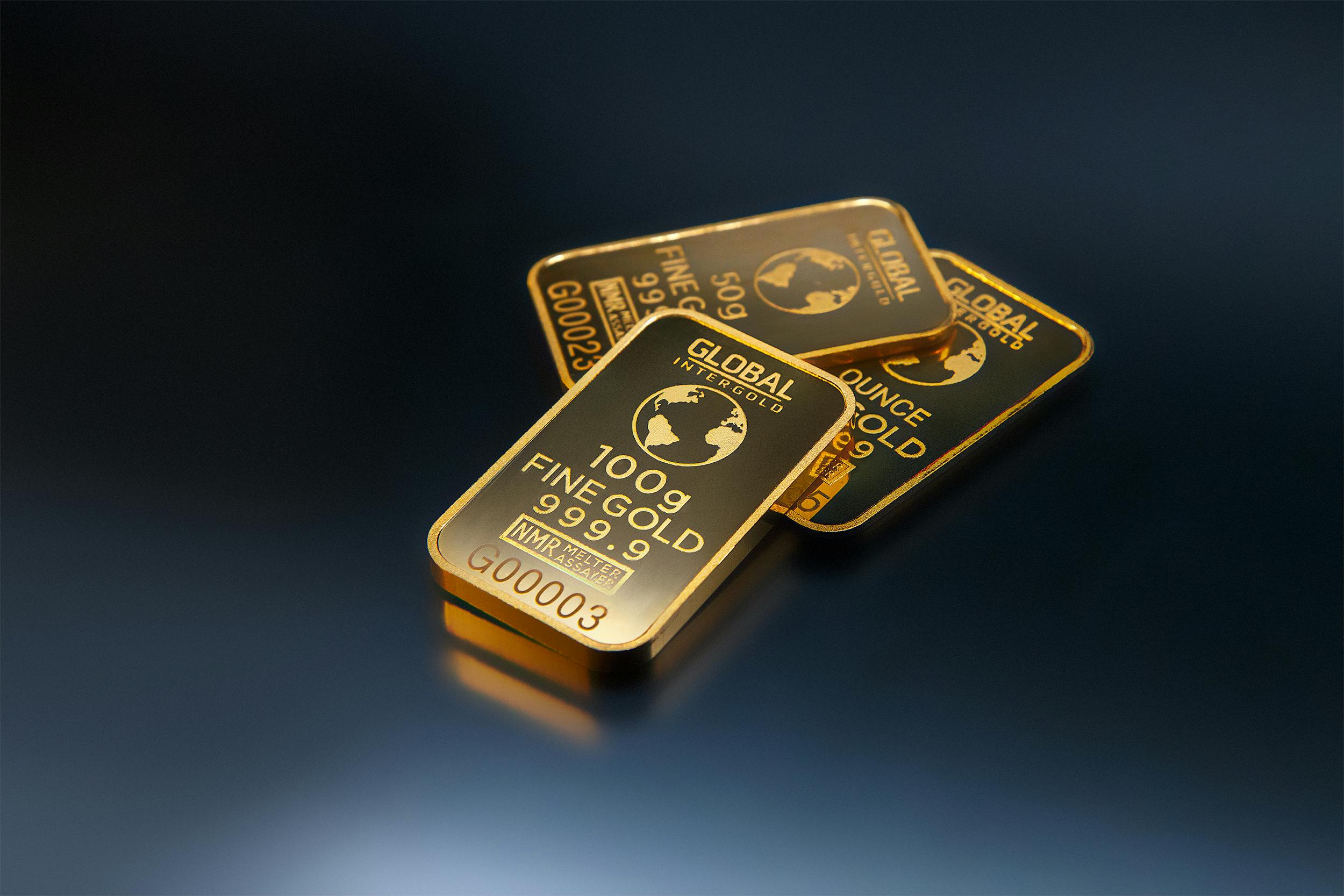
- Physical gold bars and coins
- Gold ETFs (like GLD, IAU)
- Gold mining stocks
- Gold mutual funds
- Gold futures and options
- Digital gold (allocated gold ownership)
IRA Eligibility: Physical gold can be held in Self-Directed IRAs if it meets IRS fineness requirements (0.995 purity or higher) and is stored at an approved depository.
2. Silver: The Industrial Precious Metal
What It Is: Silver serves dual roles as both a precious metal and an industrial commodity. While it shares gold’s monetary history, roughly half of silver demand comes from industrial applications.
Key Characteristics:
- Highest electrical and thermal conductivity of all metals
- Extensive industrial uses (solar panels, electronics, medical)
- More volatile than gold
- Lower price point makes it accessible to smaller investors
- Gold-to-silver ratio historically averages 60:1 but varies widely
Industrial Applications:
- Electronics: Conductors, switches, circuit boards
- Solar energy: Photovoltaic cells
- Medical: Antibacterial properties in wound dressings, medical devices
- Photography: Traditional film (declining demand)
- Water purification: Antibacterial water treatment
Investment Characteristics:
- Volatility: Higher than gold due to smaller market and industrial demand fluctuations
- Upside potential: Often outperforms gold in bull markets (higher beta)
- Downside risk: Can decline more sharply than gold in bear markets
- Storage considerations: Bulkier than gold for equivalent value
Why Investors Buy Silver:
Leveraged Play on Gold: Silver tends to amplify gold’s moves—rising faster in bull markets, falling faster in bear markets. Investors seeking more volatility often prefer silver.
Industrial Demand Growth: Growing solar panel production and electronics manufacturing drive industrial silver demand, potentially supporting long-term prices.
Affordability: Lower per-ounce price makes silver accessible to investors with smaller budgets.
Historical Monetary Role: Like gold, silver has served as money throughout history, providing similar (though less pronounced) inflation protection.
Investment Forms:
- Physical silver bars and coins
- Silver ETFs (like SLV)
- Silver mining stocks
- Silver futures and options
- Allocated silver programs
IRA Eligibility: Physical silver meeting IRS fineness standards (0.999 purity or higher) can be held in Self-Directed IRAs with approved depository storage.
3. Platinum: The Rare Industrial Metal
What It Is: Platinum is rarer than gold and has significant industrial importance, particularly in automotive catalytic converters. It’s one of the densest and most durable precious metals.
Key Characteristics:
- Rarer than gold (30 times scarcer)
- Primary production concentrated in South Africa and Russia
- Heavily dependent on automotive industry demand
- More volatile than gold
- Sometimes trades at premium to gold, sometimes at discount
Industrial Applications:
- Automotive: Catalytic converters for diesel vehicles (largest use)
- Jewelry: High-end jewelry, especially in Asia
- Chemical: Catalysts in petroleum refining and chemical production
- Medical: Anticancer drugs, pacemakers, dental applications
- Electronics: Hard disk drives, thermocouples
Investment Characteristics:
- Supply concentration: Geopolitical risk from South African/Russian dominance
- Demand drivers: Heavily influenced by auto industry and emission standards
- Volatility: Higher than gold due to industrial demand fluctuations
- Price relationship: Historically traded at premium to gold, but this has reversed in recent years
Why Investors Buy Platinum:
Rarity Value: With production roughly 1/30th of gold production, platinum’s scarcity appeals to investors seeking rare assets.
Industrial Growth Potential: Growth in automotive production (especially in emerging markets) and hydrogen fuel cell technology could drive demand.
Relative Value: When platinum trades at a discount to gold (reversing historical norms), some investors see it as undervalued.
Portfolio Diversification: Platinum’s industrial ties create different price drivers than gold’s monetary role, offering diversification within precious metals.
Investment Forms:
- Physical platinum bars and coins
- Platinum ETFs (like PPLT)
- Platinum mining stocks (though pure plays are rare)
- Platinum futures
IRA Eligibility: Platinum meeting IRS standards (0.9995 purity) can be held in Self-Directed IRAs with approved depository storage.
Risk Considerations: Platinum’s heavy dependence on automotive demand makes it vulnerable to:
- Auto industry downturns
- Shift from diesel to gasoline or electric vehicles
- Changes in emission regulations
- Economic recessions reducing car sales
4. Palladium: The Auto Industry’s Metal
What It Is: Palladium is platinum’s sister metal, with similar properties but different industrial applications. It has emerged as critical to gasoline vehicle emission control.
Key Characteristics:
- Heavily concentrated in automotive catalytic converters for gasoline engines
- Primary production in Russia and South Africa
- Experienced dramatic price increases 2016-2020
- Most volatile of the major precious metals
- Limited investment demand compared to gold/silver
Industrial Applications:
- Automotive: Catalytic converters for gasoline vehicles (80%+ of demand)
- Electronics: Multilayer ceramic capacitors, connectors
- Dentistry: Dental alloys
- Chemical: Industrial catalysts
- Jewelry: White gold alloys
Investment Characteristics:
- Extreme volatility: Can experience dramatic price swings
- Supply deficits: Has experienced persistent supply shortages
- Geopolitical sensitivity: Russian supply concentration creates geopolitical risk
- Limited investment market: Smaller investor base than gold or silver
Why Investors Buy Palladium:
Supply-Demand Imbalance: Persistent supply deficits in recent years have driven prices higher, attracting investors seeking supply-driven appreciation.
Automotive Growth: Increasing vehicle production and stricter emission standards support demand, though shift to electric vehicles creates long-term uncertainty.
Substitution Challenges: Difficulty substituting palladium in catalytic converters creates inelastic demand.
Speculative Appeal: High volatility attracts traders and speculators seeking price momentum.
Investment Forms:
- Physical palladium bars
- Palladium ETFs (like PALL)
- Palladium futures
- Mining stocks (limited pure plays)
IRA Eligibility: Palladium meeting IRS standards (0.9995 purity) can be held in Self-Directed IRAs with approved depository storage.
Risk Considerations:
- Electric vehicle transition: Threatens long-term automotive demand
- Extreme volatility: Can experience sharp price swings
- Supply concentration: Russian production creates geopolitical risk
- Limited liquidity: Smaller market than gold or silver
Additional Precious Metals
While gold, silver, platinum, and palladium dominate investment portfolios, other precious metals exist:
Rhodium
- Extremely rare and expensive
- Used in catalytic converters
- Very thin investment market
- Extreme price volatility
- Not IRA-eligible
Iridium and Osmium
- Primarily industrial uses
- Minimal investment markets
- Not suitable for most investors
Rare Earth Elements
- Not precious metals but sometimes grouped with them
- Critical for technology and green energy
- Complex investment landscape
- Typically accessed through mining stocks, not physical ownership
How to Invest in Precious Metals
1. Physical Precious Metals
Forms:
Bullion Coins: Government-minted coins with precious metal content
- American Gold Eagle, Canadian Gold Maple Leaf (gold)
- American Silver Eagle, Austrian Silver Philharmonic (silver)
- American Platinum Eagle (platinum)
- Canadian Palladium Maple Leaf (palladium)
Bullion Bars: Refined bars of pure precious metal
- Available in various sizes (1 oz to 400 oz for gold)
- Lower premiums than coins
- Less liquid than government coins
Rounds: Privately minted coins
- Lower premiums than government coins
- Less recognizable/potentially less liquid
Advantages of Physical Ownership:
- Direct ownership, no counterparty risk
- Tangible asset you can hold
- Privacy (when purchased with cash)
- No management fees
- Works during financial system disruptions
Disadvantages:
- Storage and security costs
- Insurance needs
- Premiums over spot price when buying
- Discounts below spot when selling
- Illiquidity compared to financial instruments
- Potential for counterfeits
2. Precious Metals ETFs
Exchange-traded funds that hold physical precious metals or invest in mining companies.
Physical-Backed ETFs:
- SPDR Gold Shares (GLD)
- iShares Silver Trust (SLV)
- Aberdeen Standard Physical Platinum Shares (PPLT)
- Aberdeen Standard Physical Palladium Shares (PALL)
Advantages:
- High liquidity (trade like stocks)
- No storage concerns
- Low expense ratios
- Precise position sizing
- Easy to buy and sell
Disadvantages:
- Don’t own the physical metal directly
- Annual expense ratios
- Counterparty risk
- Can’t take physical delivery (for most ETFs)
- Taxed as collectibles (long-term capital gains at 28%)
3. Mining Stocks
Shares in companies that mine precious metals.
Types:
- Major producers: Large, established mining companies (Newmont, Barrick Gold)
- Junior miners: Smaller exploration and development companies
- Streaming companies: Provide financing to miners in exchange for future metal delivery (Wheaton Precious Metals, Franco-Nevada)
Advantages:
- Leveraged exposure to metal prices
- Dividend potential (from some majors)
- Management skill can add value
- Easier to hold in standard brokerage accounts
Disadvantages:
- Company-specific risks (management, operations, geology)
- Don’t provide same crisis protection as physical metals
- Higher volatility than physical metals
- Mining operational risks
4. Futures and Options
Derivatives contracts for precious metals delivery.
Suitable for:
- Sophisticated traders
- Hedging strategies
- Leveraged speculation
Not recommended for:
- Long-term investors
- Those unfamiliar with derivatives
- Retirement accounts (in most cases)
5. Digital Precious Metals
Allocated precious metals ownership through digital platforms.
Examples:
- Allocated gold/silver accounts
- Blockchain-based precious metals tokens
Advantages:
- Fractional ownership
- Easy trading
- Professional storage included
Disadvantages:
- Platform risk
- Counterparty risk
- Less established than traditional methods
Precious Metals in Self-Directed IRAs
One of the most tax-efficient ways to invest in precious metals is through a Self-Directed IRA, allowing tax-deferred or tax-free growth on precious metals appreciation.
IRS Requirements for Precious Metals in IRAs
The IRS permits certain precious metals in IRAs if they meet fineness (purity) standards:
Gold: 0.995 fineness or higher Silver: 0.999 fineness or higher Platinum: 0.9995 fineness or higher Palladium: 0.9995 fineness or higher
Approved Coins and Bars
IRS-Approved Gold Coins:
- American Gold Eagle
- American Gold Buffalo
- Canadian Gold Maple Leaf
- Austrian Gold Philharmonic
- Australian Gold Kangaroo/Nugget
IRS-Approved Silver Coins:
- American Silver Eagle
- Canadian Silver Maple Leaf
- Austrian Silver Philharmonic
- Australian Silver Kookaburra
Bars and Rounds: Any bars or rounds from accredited refiners meeting fineness requirements are acceptable.
Storage Requirements
Critical Rule: You cannot store IRA-owned precious metals at home or in a personal safe deposit box.
Required: IRS-approved depository storage
Approved Depositories:
- Delaware Depository
- Brink’s Global Services
- International Depository Services (IDS)
- Other IRS-approved facilities
Storage Options:
- Segregated storage: Your metals stored separately from others’ (higher cost)
- Commingled storage: Your metals stored with others’ of same type (lower cost)
Tax Advantages
Traditional Precious Metals IRA:
- Contributions may be tax-deductible
- Growth is tax-deferred
- Distributions taxed as ordinary income
- RMDs required starting at age 73
Roth Precious Metals IRA:
- Contributions made with after-tax dollars
- Growth is completely tax-free
- Qualified distributions are tax-free
- No RMDs during account holder’s lifetime
Example Tax Benefit: You purchase $50,000 of gold in a Roth IRA. Over 20 years, it appreciates to $150,000. In a taxable account, you’d owe long-term capital gains tax (28% collectibles rate) on the $100,000 gain = $28,000 in taxes. In a Roth IRA, the entire $150,000 is yours tax-free.
Process for Buying Precious Metals in an IRA
-
Open a Self-Directed IRA with a custodian experienced in precious metals
-
Fund the account through contributions, transfers, or rollovers
-
Select your precious metals from approved coins or bars
-
Direct the custodian to make the purchase
-
Metals are delivered to approved depository
-
Receive confirmation and annual statements
Learn more about holding precious metals and other alternative assets in Self-Directed IRAs.
Precious Metals as Portfolio Diversifiers
The Case for Precious Metals Allocation
Financial advisors often recommend 5-15% precious metals allocation for diversified portfolios. Here’s why:
1. Low Correlation with Stocks and Bonds Precious metals often move independently of traditional assets, providing genuine diversification.
2. Inflation Protection During high-inflation periods, precious metals have historically maintained purchasing power better than cash or bonds.
3. Crisis Performance During financial crises, geopolitical events, or currency crises, precious metals often appreciate when other assets decline.
4. Long-Term Wealth Preservation Over centuries, precious metals have maintained value while fiat currencies have come and gone.
5. Portfolio Volatility Reduction Despite their own volatility, precious metals can reduce overall portfolio volatility due to low correlation with stocks.
Strategic Allocation Approaches
Conservative Allocation (5-10%):
- Primarily gold
- Focus on wealth preservation
- Suitable for retirees or risk-averse investors
Moderate Allocation (10-15%):
- Mix of gold and silver
- Balance of preservation and growth potential
- Suitable for balanced portfolios
Aggressive Allocation (15-20%):
- Include platinum and palladium
- Higher growth potential, higher volatility
- Suitable for younger investors with long time horizons
Tactical Allocation:
- Adjust based on economic conditions
- Increase during high inflation or crisis periods
- Decrease during strong equity markets
Factors Affecting Precious Metals Prices
Understanding price drivers helps investors make informed decisions:
Gold Price Drivers
1. Real Interest Rates Gold competes with interest-bearing assets. When real rates (nominal rates minus inflation) are low or negative, gold becomes more attractive.
2. U.S. Dollar Strength Gold is priced in dollars, so dollar weakness typically supports gold prices and vice versa.
3. Inflation Expectations Rising inflation expectations drive investors toward gold as an inflation hedge.
4. Central Bank Policy Quantitative easing, money printing, and monetary stimulus tend to support gold prices.
5. Geopolitical Uncertainty Wars, political instability, and international tensions drive safe-haven demand.
6. Central Bank Purchases Central banks buying or selling gold reserves impacts supply/demand balance.
Silver Price Drivers
All gold drivers plus:
7. Industrial Demand Economic growth, technology adoption, and solar panel production affect silver demand.
8. Gold-Silver Ratio When ratio widens (silver underperforms gold), value investors may increase silver allocation.
Platinum and Palladium Price Drivers
9. Automotive Production Car sales directly impact catalytic converter demand.
10. Emission Regulations Stricter standards increase metal loading in catalytic converters.
11. Electric Vehicle Adoption Threatens long-term demand for catalytic converters.
12. Mining Supply Production disruptions in South Africa or Russia create supply shocks.
13. Substitution Dynamics High prices encourage substitution between platinum and palladium in auto applications.
Risks and Considerations
Price Volatility
Precious metals can be volatile, especially silver, platinum, and palladium. Prices can decline significantly during:
- Rising real interest rates
- Strong economic growth (reduces safe-haven demand)
- Dollar strength
- Deflation or disinflation
No Yield
Unlike stocks (dividends) or bonds (interest), physical precious metals generate no income. Total return comes solely from price appreciation.
Storage and Insurance Costs
Physical metals require secure storage and insurance, creating ongoing costs that reduce total returns.
Liquidity Considerations
While gold and silver are highly liquid, physical metals are less liquid than stocks or ETFs. Platinum and palladium have thinner markets.
Counterfeiting Risk
Fake gold and silver products exist. Purchase only from reputable dealers and consider assay verification for large purchases.
Regulatory Changes
Changes to IRA rules, tax treatment, or import/export regulations could impact precious metals investing.
Market Manipulation Concerns
Some investors worry about potential price manipulation in paper precious metals markets.
Tax Treatment of Precious Metals
Taxable Accounts
Physical precious metals are taxed as collectibles:
- Short-term gains (held <1 year): Ordinary income rates
- Long-term gains (held 1+ years): 28% maximum rate (higher than stocks/bonds)
Precious metals ETFs holding physical metal:
- Also taxed as collectibles (28% long-term rate)
Mining stocks:
- Taxed like regular stocks (lower long-term capital gains rates)
IRA Treatment
Holding precious metals in Self-Directed IRAs provides significant tax advantages:
- Traditional IRA: Tax-deferred growth, avoiding collectibles tax
- Roth IRA: Tax-free growth and distributions
Discover the tax advantages of holding precious metals in retirement accounts.
How to Buy Precious Metals
Reputable Dealers
Online Dealers:
- APMEX
- JM Bullion
- SD Bullion
- Kitco
- Money Metals Exchange
Brick-and-Mortar:
- Local coin shops
- Precious metals dealers
What to Look For:
- BBB accreditation
- Industry memberships (Professional Numismatists Guild, American Numismatic Association)
- Transparent pricing
- Secure shipping and insurance
- Customer reviews
Pricing Components
Spot Price: Current market price for immediate delivery
Premium: Amount above spot price, covering:
- Dealer markup
- Manufacturing/minting costs
- Distribution costs
Typical Premiums:
- Government coins: 3-8% over spot
- Private mint rounds: 2-5% over spot
- Large bars: 1-3% over spot
Buyback Spread: When selling, dealers typically pay below spot price
Verification and Authentication
For large purchases, consider:
- Professional assay services
- X-ray fluorescence (XRF) testing
- Ultrasound testing
- Specific gravity testing
Precious Metals for Financial Advisors
Financial advisors increasingly incorporate precious metals into client portfolios as part of comprehensive alternative asset allocation strategies.
Client Scenarios for Precious Metals
Inflation-Concerned Clients: Gold and silver allocation to protect purchasing power
High-Net-Worth Diversification: 5-15% allocation across multiple precious metals
Crisis Hedging: Gold allocation as portfolio insurance
IRA Rollovers: Rolling 401(k)s into Precious Metals IRAs for diversification
Advisor Considerations
Custody Requirements: Advisors working with clients who want precious metals in IRAs need specialized custody solutions that handle physical assets compliantly.
Reporting Integration: Precious metals holdings should integrate with portfolio reporting and performance tracking.
Tax Efficiency: Advisors should generally recommend holding precious metals in IRAs to avoid collectibles tax treatment.
Rebalancing: Regular rebalancing needed to maintain target allocations as metal prices fluctuate.
The Future of Precious Metals Investing
Emerging Trends
Digital Gold: Blockchain-based precious metals ownership and trading platforms
Fractional Ownership: Easier access to smaller investors through digital platforms
Green Mining: Environmental considerations affecting mining operations and investor preferences
Central Bank Digital Currencies (CBDCs): Potential impact on precious metals’ monetary role
Geopolitical Shifts: Dedollarization efforts potentially supporting gold
Technology Demand: Growing industrial uses for silver in solar and electronics
Long-Term Outlook
While short-term prices fluctuate, precious metals’ fundamental characteristics remain:
- Limited supply
- Universal value recognition
- Portfolio diversification benefits
- Inflation protection potential
As fiat monetary systems face challenges from debt levels, inflation concerns, and geopolitical tensions, precious metals’ role as wealth preservation assets likely endures.
Conclusion
Precious metals offer investors unique portfolio benefits: tangible assets with intrinsic value, inflation protection, crisis hedging, and diversification from traditional stocks and bonds.
Gold remains the cornerstone precious metal for wealth preservation. Silver offers industrial demand growth potential with higher volatility. Platinum and palladium provide industrial exposure with significant risks from automotive industry transitions.
For investors seeking tax-efficient precious metals exposure, Self-Directed IRAs offer compelling advantages, allowing tax-deferred or tax-free growth while maintaining the portfolio diversification benefits of physical precious metals ownership.
Whether you’re an individual investor looking to protect purchasing power, a retiree seeking portfolio stability, or a financial advisor helping clients build diversified portfolios, precious metals deserve consideration as part of a comprehensive investment strategy.
Frequently Asked Questions
Q: Can I store IRA-owned precious metals at home? A: No. IRS rules require IRA precious metals to be stored at approved depositories. Storing them at home triggers a distribution, making the entire IRA taxable.
Q: What’s the difference between bullion and numismatic coins? A: Bullion coins are valued for their precious metal content. Numismatic coins are collectibles valued for rarity, condition, and historical significance. Only bullion meets IRS requirements for IRAs.
Q: How much of my portfolio should be in precious metals? A: Most advisors recommend 5-15% for diversified portfolios, though appropriate allocation depends on individual circumstances, risk tolerance, and investment goals.
Q: Are precious metals a good inflation hedge? A: Historically, precious metals (especially gold) have maintained purchasing power during high inflation periods, though short-term price movements can vary significantly.
Q: What’s the best precious metal to invest in? A: Gold is most popular for wealth preservation. Silver offers more volatility and industrial demand exposure. The “best” depends on your investment objectives and risk tolerance.
Q: Can I take physical delivery of precious metals from my IRA? A: Yes, as a distribution. The fair market value becomes taxable income, and if you’re under 59½, you’ll owe a 10% penalty. The metals are then yours to keep.
Q: How are precious metals taxed? A: In taxable accounts, they’re taxed as collectibles (28% maximum long-term rate). In IRAs, gains grow tax-deferred (Traditional) or tax-free (Roth).
Q: What’s the gold-to-silver ratio and why does it matter? A: It’s the number of silver ounces needed to buy one ounce of gold. Historically averages ~60:1. Some investors use extremes to switch between metals (buy silver when ratio is high, gold when low).
Q: Are platinum and palladium good investments? A: They offer industrial demand exposure but are more volatile and face long-term risks from electric vehicle adoption. Suitable for sophisticated investors comfortable with higher risk.
Q: How do I verify precious metals are authentic? A: Buy from reputable dealers. For large purchases, consider professional assay, XRF testing, or specific gravity testing. Stick to well-known government coins when possible.